
 Cooking and eating in rhythm with the year, one small shift at a time.

A Kitchen That Breathes with the Seasons
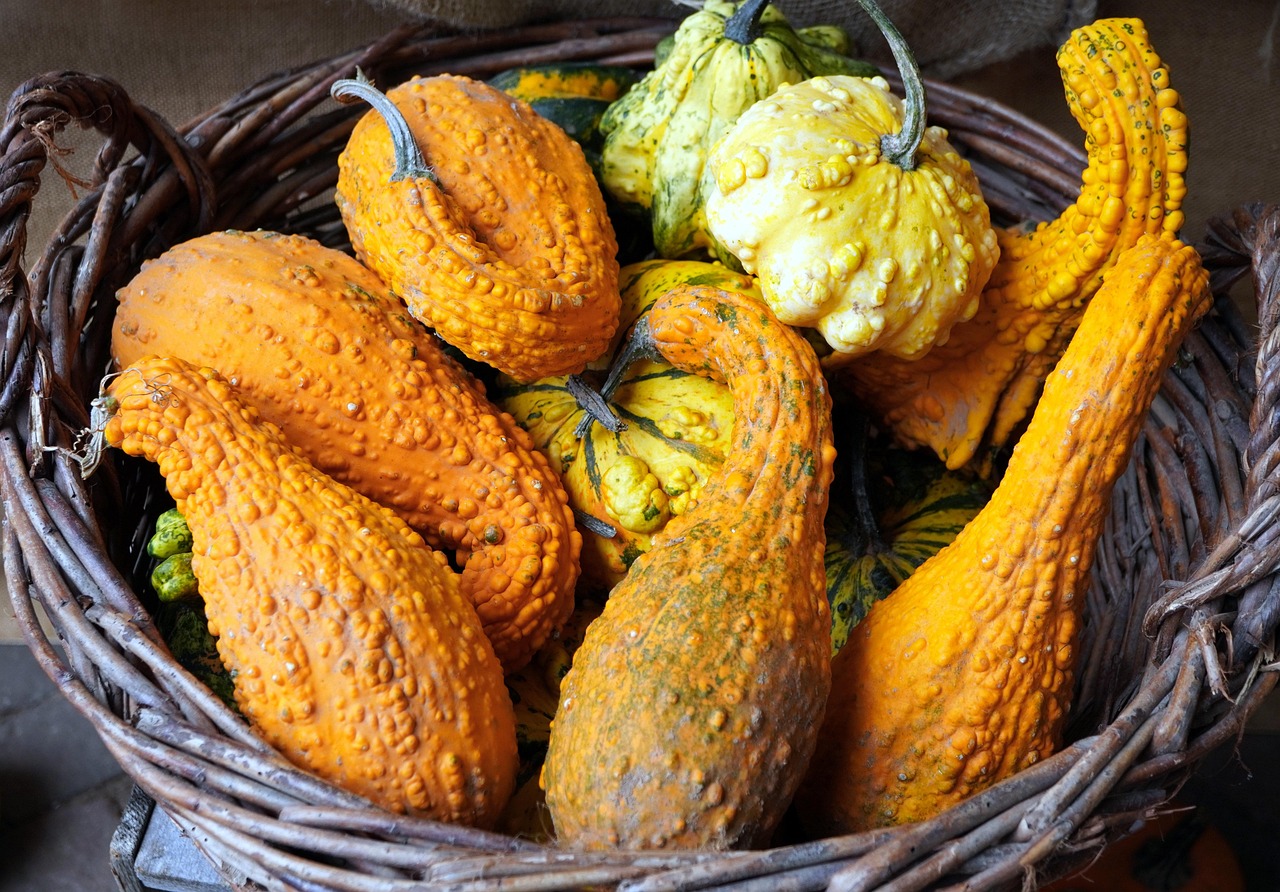
Somewhere along the way, we decided that every food should be available every day of the year. Strawberries in December, tomatoes in February, an endless summer in the produce aisle. It's a small miracle of modern life, and I don't take it for granted. But there's another kind of pleasure, quieter and more rooted, in eating what the season is actually offering. A tomato in August tastes like the sun that made it. A tomato in January tastes like a memory of one. Once you notice the difference, it's hard to un-notice.
My kitchen has slowly reshaped itself around this idea. In summer, the counters are crowded with whatever the garden or the farmers market is giving away, and most meals are assembly rather than cooking. In winter, the stove comes back to life, and dinners turn into long-simmered things that fill the house with warmth. The shift isn't dramatic. It's more like the house itself is breathing in and out, and the food moves with it.
Letting the Market Lead
The easiest way to cook seasonally is to stop deciding what's for dinner before you know what's available. I try to shop without a list when I can, or with a very loose one, and let the produce guide me. If the squash are small and sweet, that's soup. If the greens are tender and young, that's a quick sauté with garlic and good oil. If the peaches are at their peak, dinner might end up being peaches and burrata and nothing else, and that's a perfectly legitimate meal.
This approach takes a little practice, especially if you're used to planning every meal in advance. Start with one meal a week where you cook whatever looks best rather than whatever's on the menu. Over time, you build a small internal library of what to do with each thing, and the question of what to make for dinner stops feeling like a chore and starts feeling like a conversation with the season.
Preserving the Abundance
Part of living seasonally is accepting that the good things come in waves and then leave. The antidote is preservation, in whatever form suits your life. I'm not a serious canner, but I do freeze berries on sheet trays, dry herbs in bundles above the stove, and make a few jars of something every fall, usually apple butter or a simple tomato sauce. These small efforts pay off in the middle of January, when opening a jar of August tomatoes feels like a small act of time travel.
You don't need a pantry full of preserves to live this way. Even one jar is enough to remind you that the year has a shape, and that you're part of it. The kitchen becomes less of a place to execute recipes and more of a place to pay attention. And attention, it turns out, is most of what makes a life feel rich.